Pitfalls in Global-to-Local Model Migration: A MENA-Focused Guide


Powering the Future with AI
Key Takeaways

Global-to-local model migration isa complex process that requires a deep understanding of the local data landscape, linguistic nuances, cultural context, and regulatory environment.

The lack of high-quality, local data is the most common reason why global models fail to perform well in local markets. A robust data acquisition and preparation strategy is essential for success.

A model that is not culturally aware can make embarrassing and even offensive mistakes. It is essential to work with local experts to ensure that your model is culturally appropriate and sensitive.

The promise of artificial intelligence is global, but its impact is local. For multinational corporations and ambitious startups alike, the ability to deploy AI models in local markets across the Middle East and North Africa (MENA) region is a massive competitive advantage. It opens up new revenue streams, enables hyper-personalized customer experiences, and provides a deeper understanding of local market dynamics.
However, the path from a global model to a successful local deployment is fraught with peril. It is a journey that requires more than just technical expertise; it demands a deep understanding of the local culture, language, and data landscape.
The Allure and the Challenge of “Going Local”
The allure of localizing an AI model is undeniable. A model that can understand and respond to the specific needs and preferences of customers in Saudi Arabia, the UAE, or Egypt is far more valuable than a generic global model. However, the reality is that most global models are developed and trained in a Western context, and they often fail to perform well when they are deployed in other parts of the world. This is because they are not designed to handle the linguistic, cultural, and data-related challenges of the local market. AI can be a powerful tool for localization, but it can also lead to a host of problems if it is not used correctly.
Pitfall 1: The Data Desert
The most significant challenge in localizing an AI model is the lack of high-quality, local data. A model that was trained on a massive dataset of English-language text and Western-centric images will not perform well in the MENA region without a significant amount of local training data. This is often referred to as the “data desert” problem.
- Data Scarcity: For many local dialects and specialized domains, there may simply not be enough data available to train a high-performing model. This is a particularly acute problem for low-resource languages and dialects.
- Data Quality: The data that is available may be of poor quality, with errors, inconsistencies, and biases. Concerns about data accuracy and bias are among the biggest challenges to AI adoption.
The Solution: A proactive data acquisition and preparation strategy is essential. This may involve partnering with local data providers, launching data collection initiatives, or using data augmentation techniques to create synthetic data.
Pitfall 2: Lost in Translation: Linguistic and Cultural Nuances
Language is more than just a collection of words; it is a reflection of culture, context, and nuance. A model that does not understand the local culture can make embarrassing and even offensive mistakes.
- The Dialect Dilemma: The Arabic language is a macrolanguage with a wide range of dialects. A model that is trained on Modern Standard Arabic (MSA) may not be able to understand the dialect spoken in the streets of Cairo or Riyadh. This is a major challenge for any organization that wants to build a truly conversational AI for the MENA region.
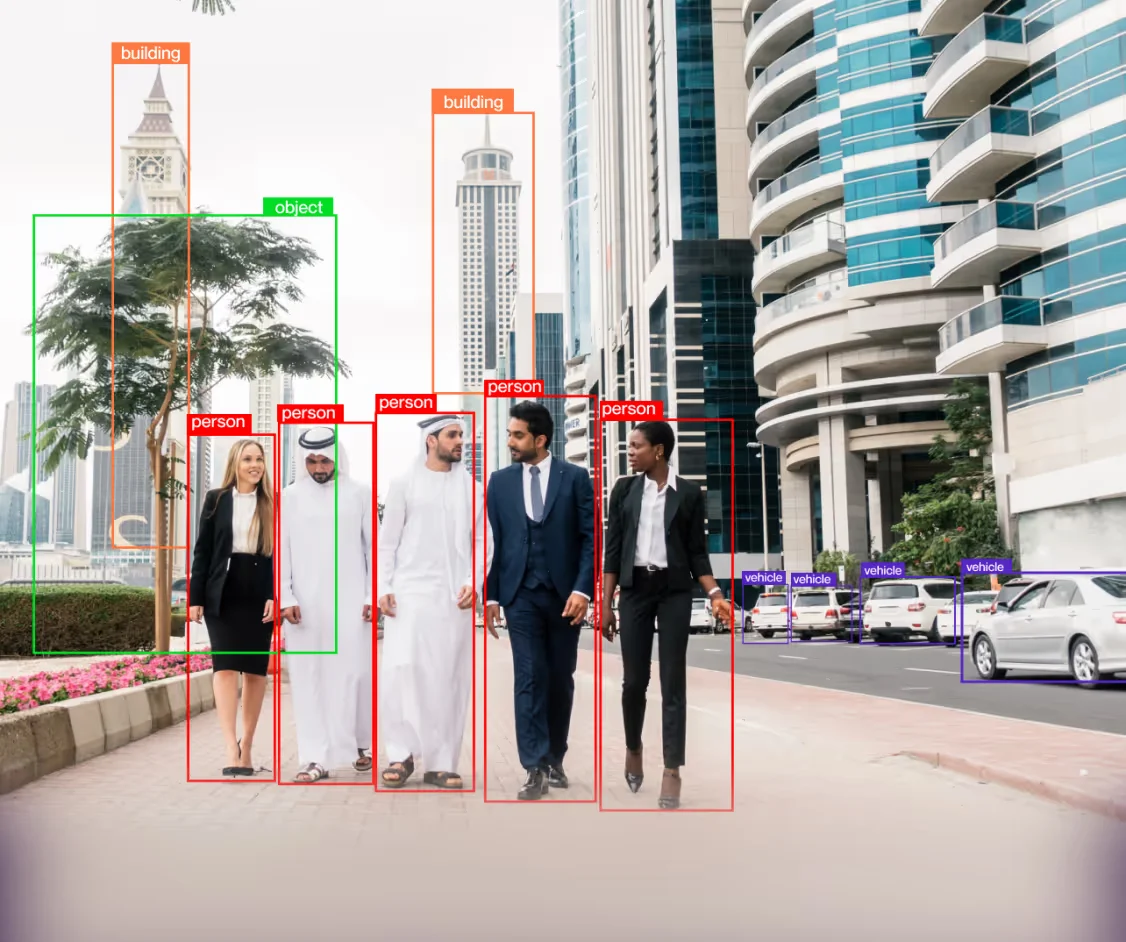
- Cultural Insensitivity: A model that is not trained on culturally relevant data can produce outputs that are insensitive or inappropriate for the local culture. For example, an image recognition model that is trained on Western images may not be able to accurately identify traditional clothing, food, or cultural symbols from the MENA region.
The Solution: Work with local linguists and cultural experts to ensure that your model is trained on a diverse and representative dataset. Use a combination of MSA and dialectal data to build a model that can understand and respond to the full range of Arabic language use.
Pitfall 3: The Bias Trap
AI models are a reflection of the data they are trained on. If the training data is biased, the model will be biased. This is a major concern for any AI deployment, but it is particularly acute when migrating a model to a new local context.
- Data Bias: The training data may not be representative of the local population, leading to a model that is biased against certain demographic groups. For example, a facial recognition model that is trained primarily on images of light-skinned individuals may not perform well on individuals with darker skin tones.
- Algorithmic Bias: The model itself may be biased, even if the training data is not. This can happen if the model is not designed to be fair and equitable.
The Solution: A rigorous bias testing and mitigation strategy is essential. This should involve auditing your training data for potential biases, using fairness-aware machine learning algorithms, and continuously monitoring your model for biased outcomes.
Pitfall 4: The Regulatory Maze
The MENA region has a complex and evolving regulatory landscape. Each country has its own laws and regulations regarding data privacy, security, and sovereignty. When deploying an AI model in a new local market, it is essential to ensure that it complies with all applicable laws and regulations.
- Data Sovereignty: Many countries in the MENA region, including the UAE and Saudi Arabia, have data sovereignty laws that require data on their citizens to be stored and processed within the country. This can be a major challenge for global companies that are used to storing their data in centralized data centers.
- Data Privacy: The model must comply with local data privacy laws, such as the UAE’s Personal Data Protection Law (PDPL) and Saudi Arabia’s Personal Data Protection Law (PDPL). These laws impose strict requirements for how personal data is collected, used, and protected.
The Solution: Work with local legal and compliance experts to ensure that your AI deployment is fully compliant with all applicable laws and regulations. This may require you to adopt a multi-cloud or hybrid cloud strategy to meet data residency requirements.
Building better AI systems takes the right approach
A Roadmap for Success
Migrating an AI model from a global to a local context is a challenging but rewarding journey. By being aware of the common pitfalls and by taking a proactive and context-aware approach, organizations can unlock the immense potential of AI in the MENA region.
The key to success is to recognize that localization is not just a technical task; it is a strategic imperative that requires a deep commitment to understanding and respecting the local market. By embracing this challenge, organizations can build AI systems that are not only intelligent but also culturally aware, fair, and compliant, the true hallmarks of a successful global-to-local AI strategy.
FAQ
Because they are usually trained on Western data that does not reflect local language use, cultural patterns, or data distributions.
No, real-world usage relies heavily on dialects, mixed language, and informal structures that MSA-only models struggle with.
It can help reduce gaps, but it works best when grounded in smaller amounts of high-quality local data.
At the design stage, since data residency and privacy rules influence hosting, pipelines, and model access patterns.
Local data experts, linguists, cultural advisors, and legal specialists working alongside ML engineers.