Enterprise Annotation Cost Modeling: Forecast vs. Reality


Powering the Future with AI
Key Takeaways

Project cost forecasting accuracy is critical. Research shows 35% of projects fail due to budget issues, and 91.5% of projects exceeding $1 billion go over budget or schedule.

Hidden costs in annotation include competitive intelligence risks, data breach exposure, regulatory compliance complexity, and loss of strategic control when outsourcing.

Auto-labeling technology has transformed cost economics. Manual labeling via AWS SageMaker costs $124,092 for 3.4 million objects, while automated labeling costs $1.18, a reduction of up to 100,000×.

Enterprise cost modeling must account for eight factors: data types, task complexity, domain expertise, volume, quality standards, team experience, turnaround time, and geographic location.
Enterprise leaders face a persistent challenge when budgeting for data annotation. Initial cost estimates rarely survive contact with reality. According to research by the Project Management Institute (PMI), 35% of projects fail due to budget issues. More striking, studies show that 91.5% of large-scale projects, those exceeding $1 billion in costs, go over budget, schedule, or both.
Annotation projects share this pattern. The gap between forecast and reality stems from incomplete visibility into cost drivers, evolving project requirements, and hidden expenses that surface only during execution. This article examines the structural reasons forecasts diverge from outcomes and provides frameworks for building more accurate cost models.
The Distinction Between Budget and Forecast
Understanding the difference between budget and forecast is foundational to cost modeling. A budget estimates how much an organization can spend on a project. It represents a financial constraint, an upper limit on resource allocation. A forecast, by contrast, predicts what the organization will spend based on project progress, changes, and developments.
Forecasts incorporate real-world dynamics that budgets cannot anticipate. Market volatility affects vendor pricing. Regulatory changes introduce compliance requirements. Scope adjustments alter annotation volumes. Human error in guideline interpretation creates rework. Each factor shifts actual costs away from initial estimates.
The challenge for enterprise leaders is that annotation projects involve multiple variables that interact in non-linear ways. A 20% increase in quality requirements does not translate to a 20% cost increase. It may double costs if it requires domain expert review, specialized tools, or multiple validation rounds. Accurate forecasting requires modeling these interdependencies.
The Hidden Cost of Outsourced Annotation
The most significant hidden cost in annotation is often strategic rather than financial. When organizations outsource annotation to third-party vendors, they transfer not just the task but also valuable competitive intelligence.
The Meta-Scale AI episode in 2025 illustrates this risk. When Meta acquired a 49% stake in Scale AI, one of the largest data labeling companies, the market reacted immediately. Google canceled a $200 million contract overnight. Google, xAI, and OpenAI retreated from partnerships. Demand for Scale's competitors tripled within weeks. The message was clear: companies realized they had handed over their most valuable asset, proprietary training data, to a potential competitor.
This episode reveals four hidden costs of outsourcing:
- Competitive Intelligence Risk. External annotators gain intimate knowledge of how an organization approaches problems. The act of selecting and labeling data reveals business logic and strategic priorities. If the vendor serves multiple clients in the same industry, this knowledge could inadvertently benefit competitors.
- Data Breach Risk. Sensitive information exposure at third-party vendors creates liability. Industries like healthcare and finance face regulatory penalties for data breaches. The cost of a breach extends beyond fines to include reputational damage and customer trust erosion.
- Regulatory Compliance Complexity. Data crossing organizational boundaries introduces compliance challenges. Organizations operating under GDPR, HIPAA, or regional data protection laws like the UAE Federal Decree-Law No. 45 of 2021 must ensure vendors meet the same standards. Auditing vendor compliance adds overhead.
- Loss of Strategic Control. Outsourcing creates dependency on vendor capacity, quality standards, and turnaround times. Organizations lose the ability to rapidly iterate on annotation guidelines or pivot to new use cases without renegotiating contracts.
The Eight Cost Drivers in Annotation Pricing
Annotation costs vary dramatically, sometimes by a factor of ten or more, depending on eight key variables. Understanding these drivers enables more accurate forecasting.
- Data Type. Basic 2D image annotation has become standardized, with base rates trending downward. Video annotation drives higher costs due to multiple frames, object movement, and tracking requirements. 3D point cloud annotation remains among the most expensive services, requiring specialized tools for precise point classification or segmentation. Multimodal annotation, such as semantic matching between images and text descriptions, typically costs 50-100% more than single-modality work but is essential for training multimodal AI models.
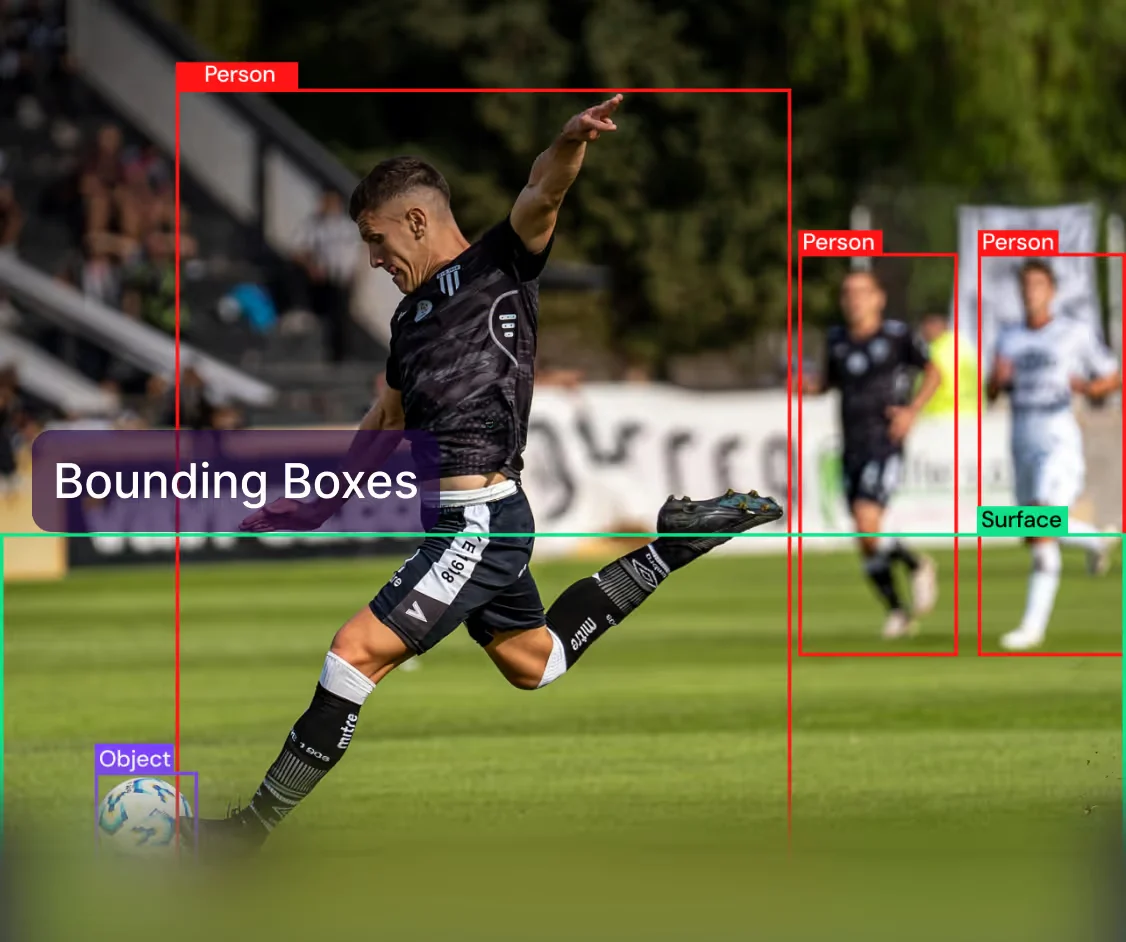
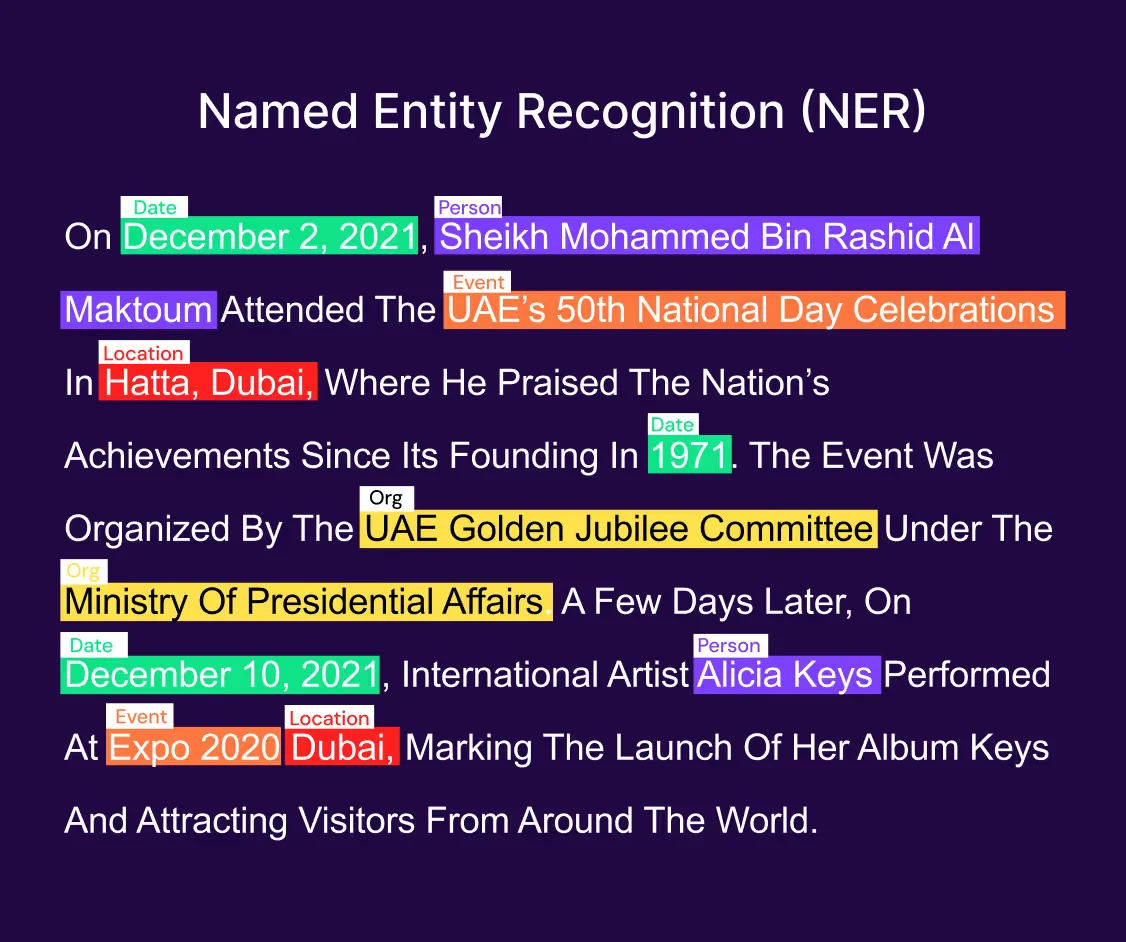
- Task Complexity. Simple bounding box annotation for road signs costs $0.03-$1.00 per box. Complex tasks like trajectory prediction and semantic segmentation range from $0.05-$3.00 per mask. Named Entity Recognition (NER) in text requires annotators with domain-specific terminology knowledge, commanding premium rates.
- Domain Expertise. Medical and life sciences annotation consistently maintains the highest price premiums. Medical imaging annotation for CT, MRI, or pathology slides typically costs 3-5 times more than general imagery of comparable complexity, primarily due to the requirement for annotators with medical backgrounds. Autonomous driving and robotics training data continues to evolve, with advanced scene understanding annotation maintaining premium pricing, especially for rare scenarios and edge cases.
- Data Volume. Large-scale projects, typically over 100,000 data items or 1,000+ hours of content, command lower unit prices than medium-sized projects. These savings come from spreading one-time setup costs, team learning curves, and workflow optimization across more units. However, when volumes become massive enough to require hundreds of annotators working simultaneously, requirements for project management, coordination, and quality control increase dramatically, creating new overhead.
- Quality Standards. Basic quality levels (90-93% accuracy) cost 15-25% less than market averages, suitable for applications with higher fault tolerance like content recommendation systems. Standard quality (94-96% accuracy) represents benchmark pricing for most production AI systems. High-quality annotation (97%+ accuracy) or domain expert review layers moderately to significantly increase costs.
- Team Experience. Emerging annotation teams typically price 20-30% below market rates but often struggle with inconsistent production efficiency, require more client guidance, and have maturing quality control systems. Well-established teams with 5+ years of experience offer distinct advantages: minimal communication overhead, higher first-pass accuracy, fewer revisions needed, and deeper domain expertise.
- Turnaround Time. Rush orders consistently drive higher prices. For smaller or emerging annotation teams, expedited service typically means rapidly recruiting and training additional staff while expanding tool capacity. Larger or more established teams show more pricing stability for expedited work, often using globally distributed teams in different time zones to maintain constant progress.
- Geographic Factors. Traditional annotation hubs in India, the Philippines, and Vietnam offer lower hourly rates than North American and Western European providers. However, geographic impact extends beyond labor costs. Some regions with lower wages may lack robust software infrastructure, qualified talent pools, or data compliance capabilities, potentially increasing overall project costs through higher communication and coordination needs.
The Auto-Labeling Revolution in Cost Economics
Advances in foundation models have fundamentally altered annotation cost economics. Organizations no longer face a binary choice between accepting the risks of outsourcing or committing to expensive in-house workforce investments.
Modern AI systems can now label data for AI development. Pre-trained vision models automatically identify and segment objects in images, while language models classify and tag text data. Human experts then verify and refine these automated labels, focusing their expertise where it adds the most value.
The cost differential is dramatic. Research found that labeling 3.4 million objects on a single NVIDIA L40S GPU costs $1.18 and takes just over an hour. Manually labeling the same dataset via AWS SageMaker would cost roughly $124,092 and take nearly 7,000 hours. This represents a cost reduction of up to 100,000×.
Models trained with Verified Auto-Labeling (VAL) approach achieve near-human accuracy on data annotation tasks, with mAP50 scores of 0.768 on VOC and 0.538 on COCO, while reducing annotation costs by orders of magnitude. The critical advantage is that this entire process can occur within a secure environment. Organizations can deploy open-source models on their infrastructure or use vendor tools designed for on-premises operation. Data never leaves organizational control, eliminating the security and competitive risks of traditional outsourcing.
Building Accurate Cost Forecasts
Accurate cost forecasting requires six technological capabilities:
- Predictive Analytics. Machine learning and AI-powered predictive analytics analyze greater volumes of data faster, identify patterns, and continue to learn. When applied to cost forecasting, project leaders can better understand costs, make more informed decisions about resource allocation, and identify cost-saving opportunities. Data quality plays a crucial role. Completeness, consistency, trustworthiness, and volume all affect forecasting accuracy.
- Visibility of Cost Components. A Single Source of Truth (SSOT) ensures data accuracy, reliability, and timeliness. Project dashboards make it easy to access all data in the same place at the same time. Project leaders can track cost component data like finance and budget, as well as influencing factors like activity, resources, delivery, and milestones.
- Automated Work Breakdown Structures. Generative AI can automatically create and schedule project work breakdown structures (WBS) in seconds. This avoids hidden costs from missed steps or tasks, provides cost estimates based on historical project data, and delivers real-time automated updates when faced with delays, budget impact, or scope changes.
- Access to Historical and External Data. Intelligent tools analyze past projects and external data, such as market trends, supplier information, and regulatory changes. For example, in electric vehicle development, combining historical production timelines with fluctuating battery material costs, emerging emissions regulations, and regional EV infrastructure adoption rates creates forecasts that adapt to real-world developments.
- Scenario Analysis. 'What if' scenario planning technology enables simulation of various scenarios based on factors that directly impact costs: budget cuts, price increases, delays due to supplier dependencies, external factors, or stakeholder changes. Understanding how different scenarios impact projects helps leaders manage risks, resources, timelines, and budgets while ensuring forecasts remain accurate and up-to-date.
- Stakeholder Communication. Real-time updates and access to features that promote accuracy, boost agility, and analyze multiple outcomes enable stakeholders to make decisions faster and with greater confidence.
ROI Calculation Frameworks
Measuring return on investment for annotation requires a framework that captures both direct and indirect benefits. The standard ROI formula, (Net Benefits / Annotation Costs) × 100%, provides a starting point but requires careful definition of "net benefits."
Direct benefits include model performance improvements that translate to business outcomes. A 5 percentage point improvement in fraud detection accuracy might prevent $10 million in losses annually. A 3% increase in recommendation system click-through rates might generate $2 million in additional revenue. These outcomes are measurable and attributable to annotation quality.
Indirect benefits are harder to quantify but often more valuable. Faster time to market for AI features creates competitive advantage. Reduced dependency on external vendors improves strategic flexibility. Enhanced data security lowers regulatory risk. Proprietary datasets create barriers to entry for competitors.
A comprehensive ROI calculation should track three essential metrics:
- Cost per label. This metric normalizes annotation expenses across different project types and vendors, enabling apples-to-apples comparisons. It accounts for both direct labeling costs and indirect expenses like project management, quality assurance, and rework.
- Accuracy rates. Higher accuracy reduces downstream costs in model development, testing, and deployment. A dataset with 97% accuracy may cost 30% more to produce than one with 93% accuracy, but it can reduce model training time by 50% and eliminate costly error correction cycles.
- Time savings. Annotation speed affects time to market for AI products. Auto-labeling that reduces annotation time from 7,000 hours to 1 hour accelerates development cycles, enabling faster iteration and competitive responsiveness.
Building better AI systems takes the right approach
Aligning Forecast with Reality
The gap between forecast and reality narrows when organizations adopt several practices.
- Pilot projects. Testing annotation approaches on small datasets before scaling reveals hidden costs and workflow inefficiencies. A 1,000-image pilot can expose guideline ambiguities, tool limitations, or quality control gaps that would be expensive to fix at scale.
- Iterative budgeting. Rather than committing to a full project budget upfront, organizations can allocate funding in phases tied to milestones. This allows for course correction as actual costs emerge.
- Vendor transparency. Contracts should require vendors to provide granular cost breakdowns, not just per-unit pricing. Understanding the cost components, such as annotator time, quality assurance, project management, and tool licensing, enables better forecasting for future projects.
- Internal benchmarking. Organizations that maintain annotation cost databases across projects can identify patterns. Certain data types, domains, or quality requirements consistently exceed forecasts. This historical data improves future estimates.
- Scenario planning. Building cost models that account for best-case, expected-case, and worst-case scenarios helps leaders prepare for uncertainty. If a worst-case scenario (such as a 50% increase in rework due to guideline changes) would make a project financially unviable, that signals a need for risk mitigation before starting.
Conclusion
Enterprise annotation cost modeling requires a shift from static budgets to dynamic forecasts that account for the eight key cost drivers, hidden strategic expenses, and the transformative impact of auto-labeling technology. The gap between forecast and reality closes when organizations invest in predictive analytics, maintain visibility of cost components, leverage historical and external data, and conduct scenario analysis.
The strategic question is not whether annotation is expensive, but whether organizations can afford to outsource it. As Satya Nadella noted, models are becoming commoditized. Proprietary data creates the competitive moat. Accurate cost modeling enables organizations to make informed decisions about where to invest in building that moat.
FAQ
Because most forecasts model unit labeling costs but ignore nonlinear drivers like quality escalation, rework cycles, compliance overhead, and loss of strategic control. Small scope changes compound into large cost deviations.
When data is proprietary, regulated, or central to competitive advantage. At scale, security exposure, compliance audits, vendor lock-in, and slow iteration often outweigh apparent labor savings.
It fundamentally changes the curve. Auto-labeling collapses marginal costs and time while keeping data inside enterprise control. The remaining cost moves from labeling volume to targeted verification and governance, which scales far better.
Not cost per label. The strongest predictor is time-to-usable-model: how quickly annotated data reaches production-grade accuracy. Faster iteration compounds business value and reduces downstream model correction costs.