Blogs
From the CNTXT team
Research notes and practical guides on Arabic AI, training data, evaluation and putting AI to work in regulated industries.
arabic ai
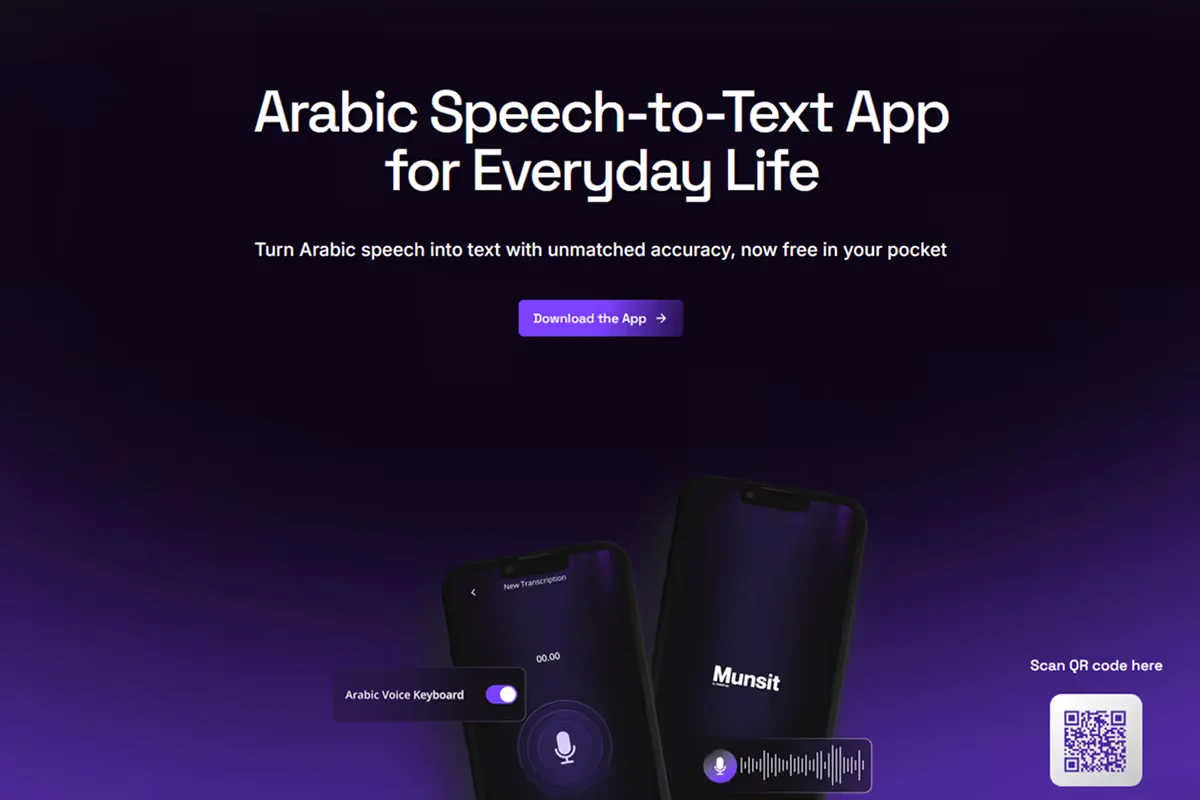
Why Arabic voice AI needs
25 dialects, not one.
People do not speak the Arabic that most speech models were trained on. How Munsit was trained on real-world audio across more than 25 dialects, and why that decides whether a transcript can be used.

insight hub
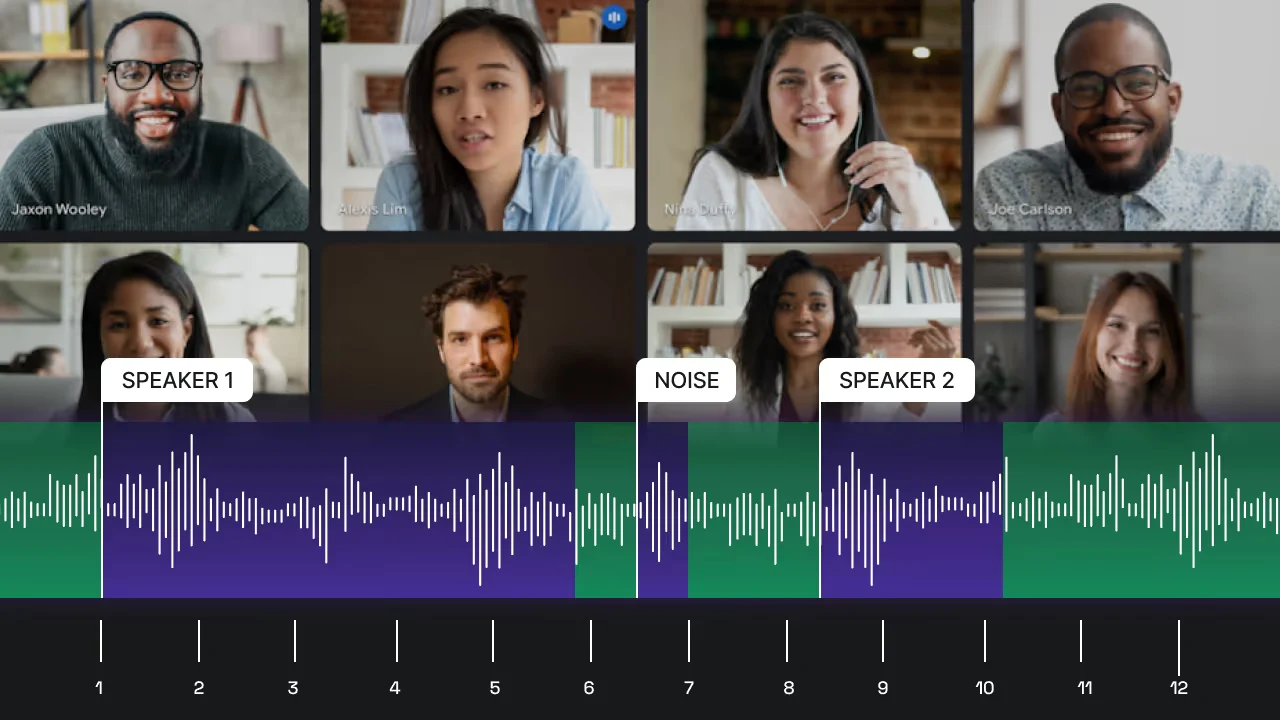
The Arabic AI performance gap: why global models fail in MEA
Models trained mostly on English serve Arabic-speaking markets poorly. A look at where they fall short and what Arabic-native systems do differently.
insight hub
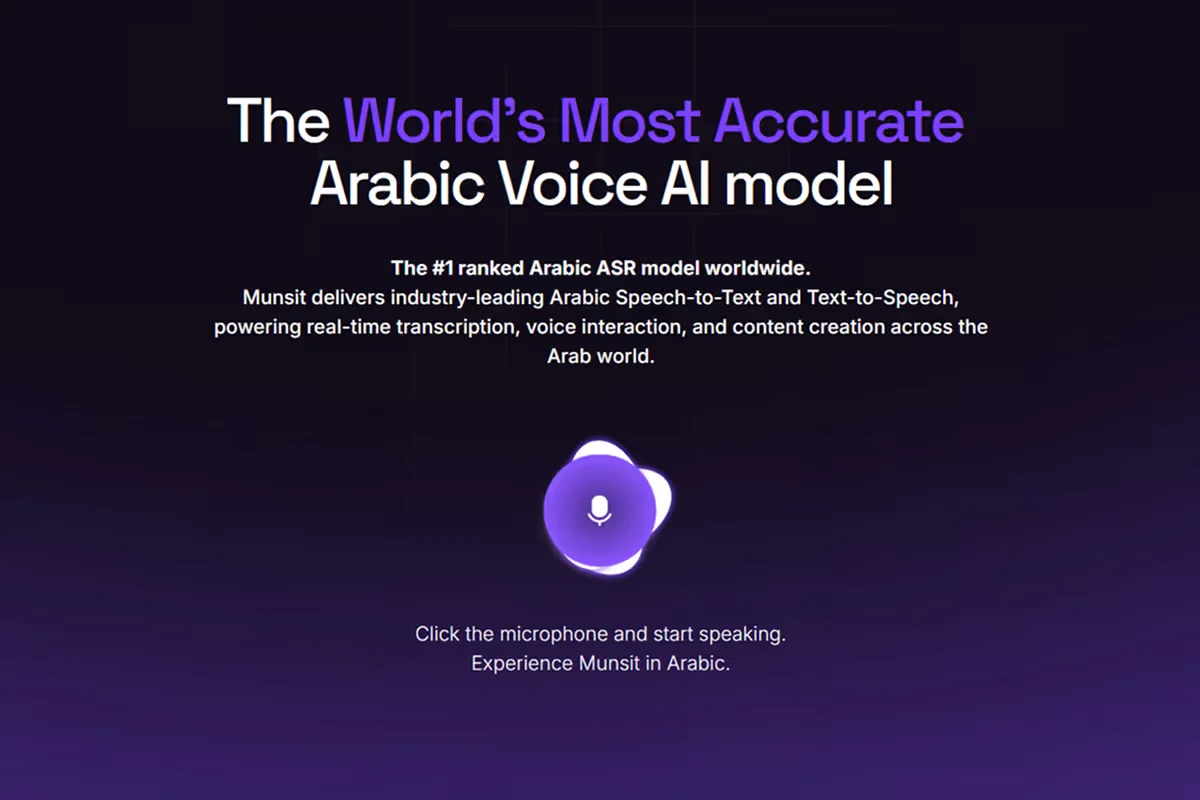
Data scarcity drives the Arabic AI gap
Arabic is not harder for AI than English. There is far less Arabic training data, and closing the gap starts with collecting and annotating more of it.
insight hub
Advancing Arabic speech recognition through large-scale weakly supervised learning
The research behind Munsit: training Arabic speech recognition on large volumes of real-world audio with weak supervision.
insight hub
Munsit at NADI 2025: pushing the boundaries of multidialectal Arabic ASR
Munsit's entry to the NADI 2025 shared task on speech recognition across Arabic dialects.

insight hub
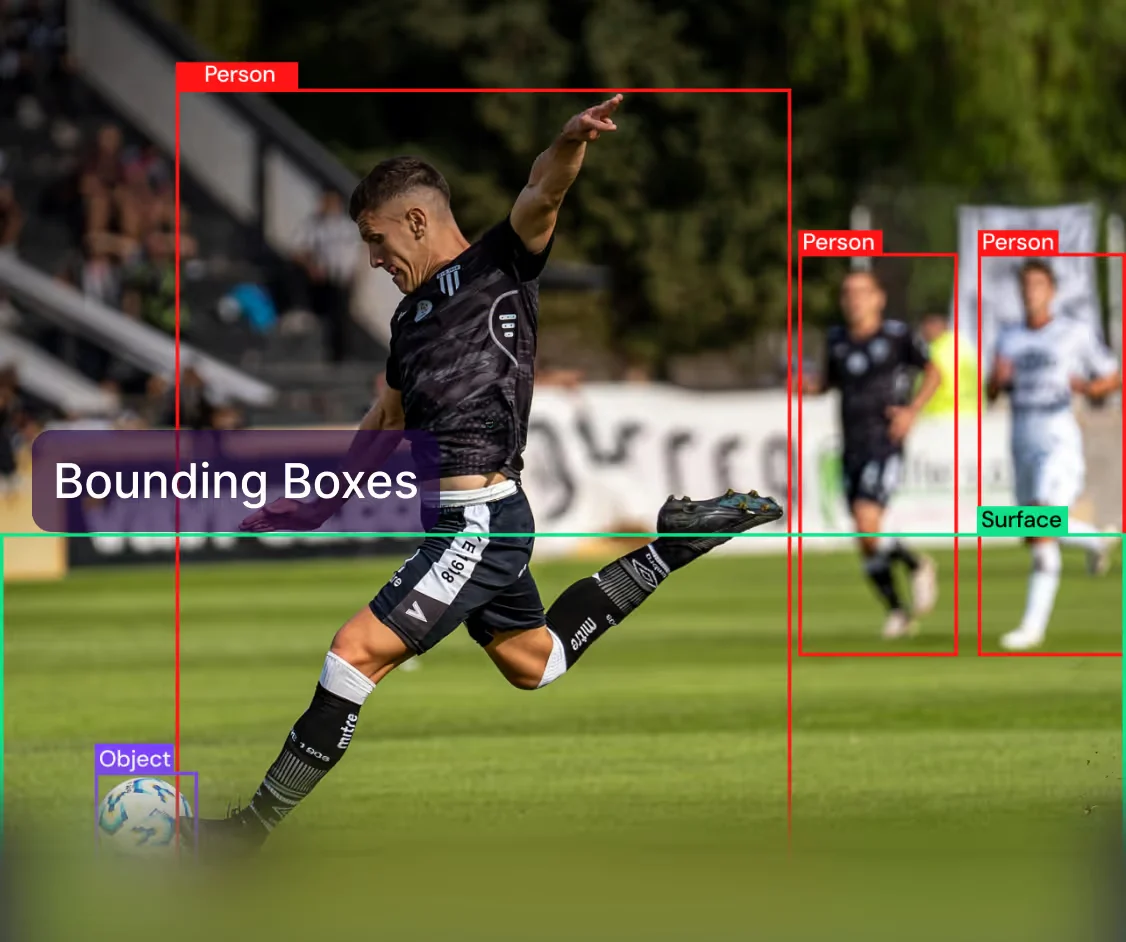
Human in the loop: data quality with human and machine collaboration
Machines handle the routine labelling. People handle the edge cases. How splitting the work that way produces data a model can be trained on.
insight hub
Minimizing AI hallucinations: the role of high-quality training data
Models that state false information as fact are a business risk. Better data preparation, retrieval and human feedback reduce it.

insight hub
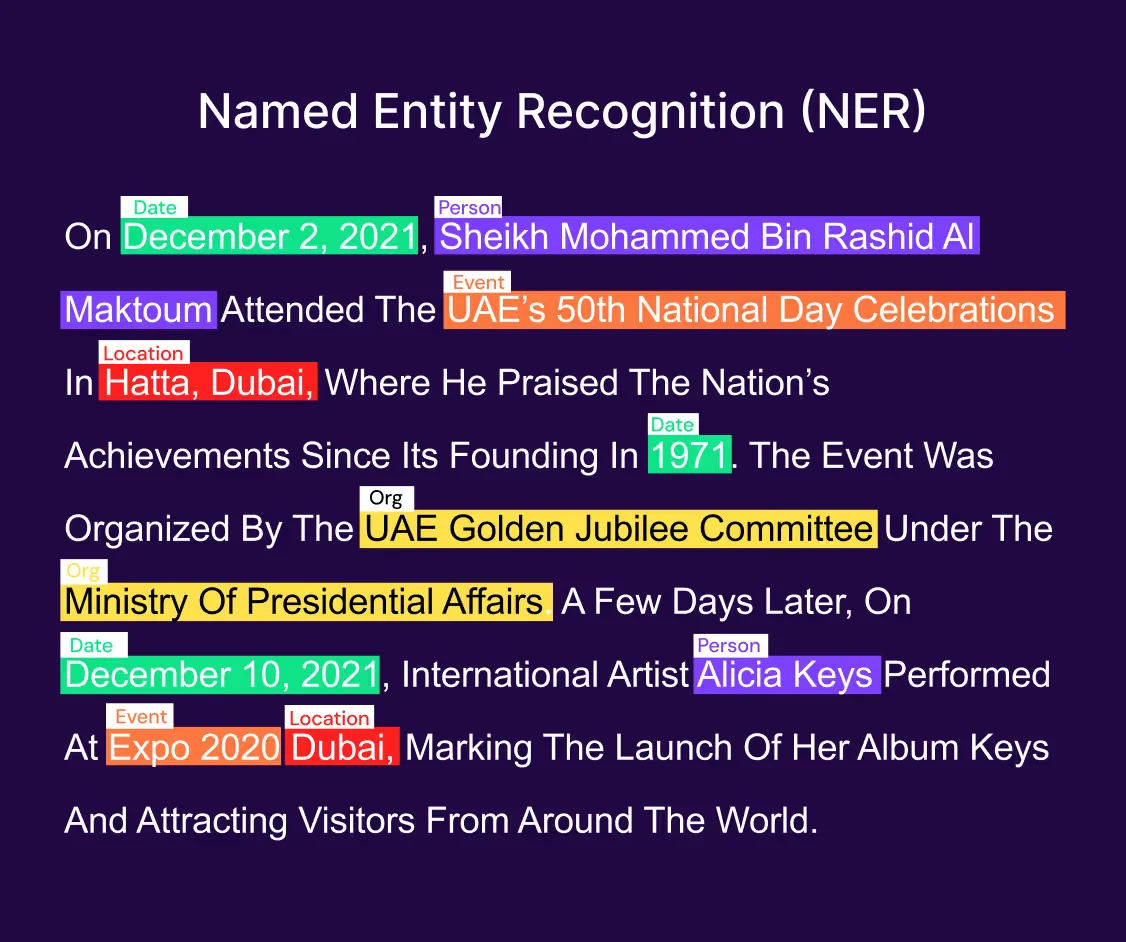
Video analysis at scale: insights from frame-by-frame annotation
How video footage becomes structured, machine-readable data through frame-by-frame annotation, and what it demands in volume and compute.
insight hub
6 steps to build a strong AI testing and validation framework
AI systems need validation throughout their life, not one test before launch. Six steps from setting objectives to monitoring and governance.

insight hub
Evaluation of RAGs using RAGAS
Using the open-source RAGAS framework to find out whether a retrieval-augmented system fails at retrieval or at generation.
insight hub
AI agents vs AI assistants: what's the difference?
Assistants respond when a person asks. Agents pursue a goal on their own. What separates the two and when each one fits.
insight hub
8 things to consider when introducing AI in healthcare
Eight considerations for healthcare teams adopting AI, from regulatory compliance and data quality to privacy, bias and workflow integration.

insight hub
4 key applications of AI in modern banking
Where banks apply AI: risk and fraud detection, customer experience, operations and process automation, and regulatory compliance.

Put the research to work.
Arabic voice AI, physical-AI data and evaluation, deployed where your data has to stay.