AI in Insurance: Risk Assessment, Claims Processing, and Customer Experience


Powering the Future with AI
Key Takeaways

AI changes how insurance risk is evaluated. Underwriting shifts from static assumptions to continuous assessment using real-time data.

Claims handling becomes faster and more consistent. Automation and visual analysis shorten settlement cycles while keeping decisions uniform.

Fraud detection becomes systematic. Large-scale pattern analysis improves identification of irregular claims without slowing legitimate payouts.

Local rules define AI execution. Takaful alignment, Arabic-first interactions, and ADGM and PDPL obligations guide AI use in UAE and KSA insurance.
The insurance industry operates in a rapidly evolving technological landscape where AI capabilities determine competitive position. Companies that build comprehensive AI platforms across risk assessment, claims management, and customer service create sustainable advantages through improved efficiency, accuracy, and customer satisfaction.
For insurers in the UAE and KSA, AI adoption must balance innovation with regional requirements. DHA and DOH regulations govern health insurance, while Takaful principles require Shariah-compliant operations. ADGM Data Protection Regulations and Saudi PDPL mandate data residency and explainability. These constraints shape how AI is deployed across underwriting, claims, and customer service.
Advanced Risk Assessment Through Machine Learning Models
Insurance underwriting now relies on machine learning models that process vast datasets to predict risk with high precision. These systems combine structured data from policy and claims records with unstructured information from sources such as social media, satellite imagery, IoT sensors, and real-time market data.
- AI-Based Underwriting
AI-based underwriting agents evaluate applications, cross-check multiple data sources, and calculate risk scores within seconds. In commercial property insurance, models analyze building materials, construction age, local crime data, weather records, and proximity to emergency services. Each variable is weighted using historical loss data and current conditions, producing risk evaluations that are more granular and consistent than traditional methods.
- Dynamic Pricing Systems
Dynamic pricing systems adjust premiums based on ongoing risk signals. In auto insurance, telematics sensors track driving behavior, maintenance history, and route patterns. AI analyzes this data in real time, updating risk profiles and adjusting premiums accordingly. Safe driving habits reduce costs, while risky behavior increases rates.
This creates continuous alignment between actual risk and policy pricing—a principle that aligns well with Takaful's risk-sharing model, where premiums reflect actual exposure rather than fixed actuarial tables.
- Predictive Modeling for Portfolio Management
Predictive modeling supports portfolio-level decision-making. AI identifies correlations across thousands of policies to reveal concentration risks, geographic exposure, or systemic threats. Climate-related models highlight shifts such as growing flood risk in new regions, helping insurers rebalance coverage before losses occur.
- Natural Language Processing for Emerging Risks
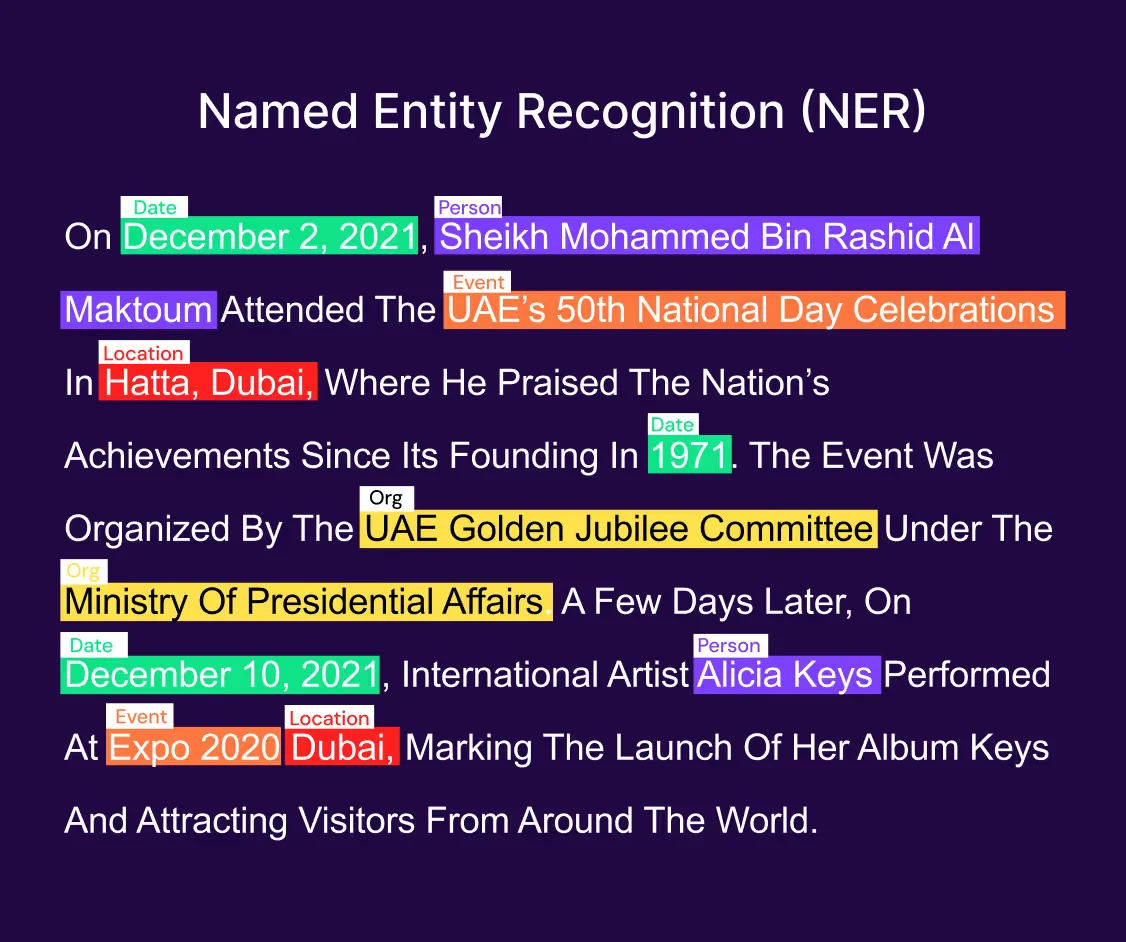
Natural language processing expands the scope of risk assessment to unstructured information. These systems review news coverage, regulatory documents, and social media activity to identify emerging trends. In cyber insurance, NLP models monitor dark web discussions and threat bulletins to gauge attack patterns and vulnerabilities.
Risk assessment is continuous. AI systems update risk profiles in real time based on telematics, weather, and behavioral data. For GCC insurers, this means aligning premiums with actual exposure, which is central to Takaful principles.
Automated Claims Processing and Fraud Detection
When a customer reports a claim through an app, chatbot, or call center, AI extracts key data and initiates a structured workflow. The system identifies coverage, measures claim complexity, and assigns the case to the right handler. Straightforward claims can be approved automatically. Complex ones move to adjusters with AI-generated analysis to guide decisions.
Computer Vision for Damage Evaluation
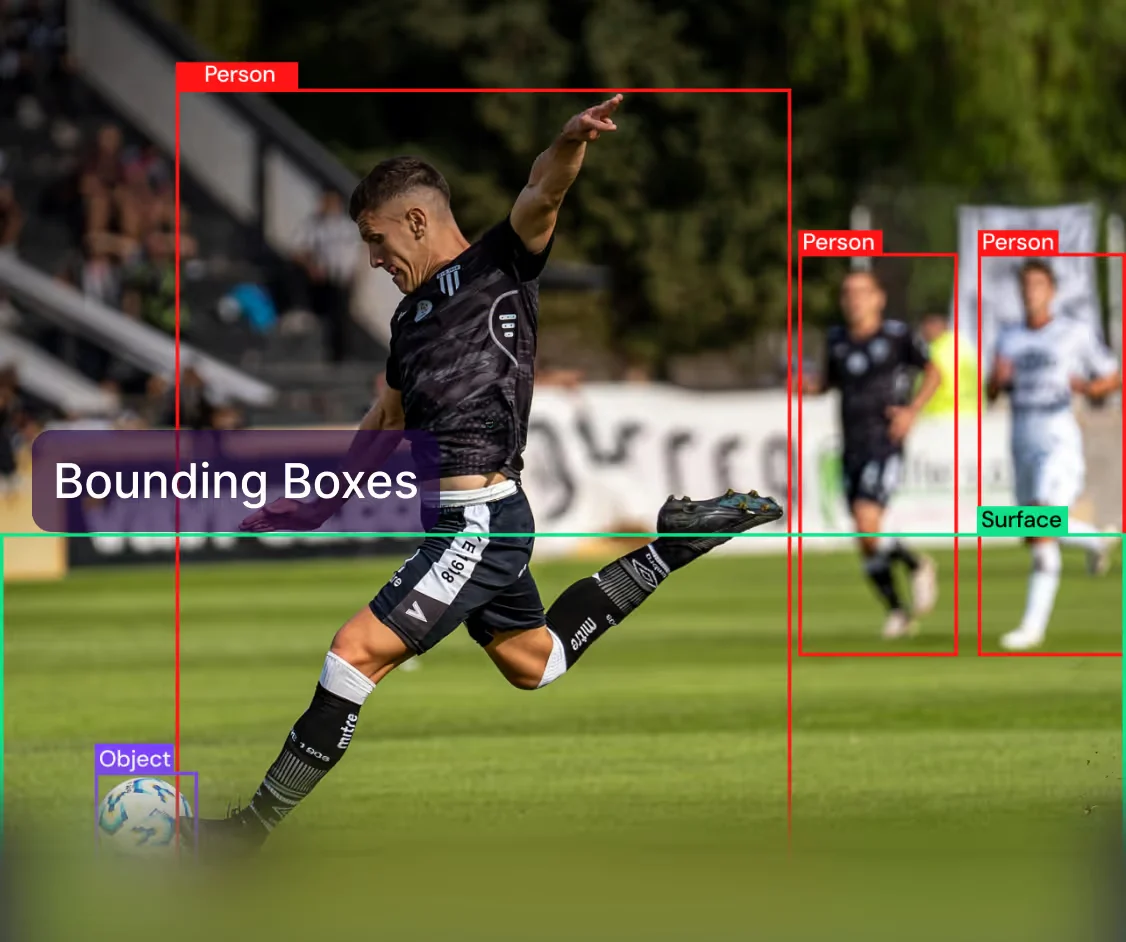
Computer vision improves damage evaluation across insurance lines.
- Auto Insurance:
Customers upload photos of vehicle damage. Models trained on large image datasets detect damage type, estimate repair cost, and flag inconsistencies. This reduces assessment time from days to minutes while maintaining consistent evaluation standards.
- Property Insurance:
Drone and satellite imagery enable large-scale loss assessment. AI reviews aerial visuals to measure roof damage, identify structural risks, and calculate repair costs using local market data. This supports faster response after natural disasters and ensures fair, data-backed payouts.
Fraud Detection
Fraud detection is a major area of impact. Machine learning models analyze millions of past claims to find irregular patterns in timing, repair networks, and claimant behavior. The system generates fraud probability scores and highlights cases that need investigation, improving accuracy and reducing false claims.
AI also automates documentation and coordination. Systems create claim summaries, update policy records, and communicate with repair networks. They schedule inspections, track progress, and record all actions. This reduces manual workload and standardizes claim handling from start to finish.
Intelligent Customer Service and Policy Management
AI-powered customer service transforms how insurers interact with policyholders throughout the insurance lifecycle. Conversational AI systems handle routine inquiries, process policy changes, and guide customers through complex procedures.
Conversational AI for Routine Inquiries
Chatbots and virtual assistants process the majority of customer interactions without human intervention. The systems access policy databases, claims histories, and payment records to provide personalized responses. Customers can update coverage, report claims, make payments, and receive policy information through natural language conversations.
The technology understands context and intent, allowing customers to describe their needs in everyday language rather than insurance terminology. For GCC insurers, this means handling Arabic dialects (Gulf, Levantine, Egyptian) with code-switching and Arabizi support.
Personalized Policy Recommendations
Personalized policy recommendations emerge from AI analysis of customer data and behavior patterns. The systems analyze life events, purchasing patterns, and risk profiles to suggest coverage adjustments. For example, AI detects when customers purchase homes, have children, or start businesses, automatically recommending appropriate coverage changes.
This proactive approach improves customer satisfaction while increasing policy retention and cross-selling opportunities.
Predictive Analytics for Churn Prevention
Predictive analytics identify customers at risk of policy cancellation, enabling proactive retention efforts. AI models analyze payment patterns, claim frequencies, and customer service interactions to predict churn probability. The system triggers personalized retention offers, policy adjustments, or enhanced service levels for high-risk customers.
This targeted approach improves retention rates while optimizing marketing spend.
Data Integration and Operational Excellence
Successful AI implementation requires comprehensive data integration across traditional insurance systems and external data sources. Modern insurers build data lakes that combine policy information, claims data, customer interactions, and third-party feeds into unified platforms.
- Real-Time Data Processing
Real-time data processing capabilities enable dynamic risk assessment and immediate response to changing conditions. Insurers integrate weather data, traffic information, economic indicators, and social media feeds to update risk models continuously. This capability allows for immediate policy adjustments during natural disasters, market volatility, or other significant events that affect risk profiles.
- API-Driven Architectures
API-driven architectures enable seamless integration with external partners and service providers. Insurers connect with repair networks, medical providers, and financial institutions to automate claims processing and settlement. The technology enables straight-through processing for routine claims while maintaining oversight and control over complex cases.
- Quality Assurance Systems
Quality assurance systems monitor AI performance and ensure consistent decision-making. The technology tracks model accuracy, identifies bias in decision-making, and flags cases that require human review. This oversight ensures that AI systems operate within regulatory requirements while maintaining high standards for customer service and claims handling.
Building better AI systems takes the right approach
Strategic Implementation and Competitive Advantage
Insurance companies achieve competitive advantage through systematic AI implementation across core business functions. The technology enables new business models, improves operational efficiency, and enhances customer experiences.
- Domain-Based Implementation
Domain-based implementation strategies focus AI deployment on specific business areas where the technology delivers measurable value. Insurers typically begin with claims processing or underwriting before expanding to customer service and policy management. This approach allows organizations to build expertise and demonstrate value before scaling across the enterprise.
- Performance Measurement
Performance measurement systems track AI impact on key business metrics including loss ratios, processing times, customer satisfaction, and operational costs. Leading insurers report:
- 10-20% improvements in underwriting accuracy
- 20-40% reductions in claims processing time
- 3-5% improvements in customer retention
These measurable benefits justify continued investment and expansion of AI capabilities.
- Talent Development
Talent development programs build internal capabilities for AI management and optimization. Insurers invest in training for existing employees while recruiting data scientists, machine learning engineers, and AI specialists. This combination of domain expertise and technical skills enables effective AI implementation and continuous improvement.
FAQ
AI systems can be configured to align with Takaful's risk-sharing model by using dynamic pricing based on actual exposure rather than fixed actuarial tables. This ensures premiums reflect real risk, which is central to Shariah-compliant insurance.
DHA and DOH require data residency, explainability, and human oversight for AI-driven decisions. Claims processing systems must maintain audit trails and allow human review of automated decisions, especially for high-value or complex cases.
Track loss ratios, claims processing time, underwriting accuracy, customer satisfaction (CSAT), and operational costs. Leading insurers achieve 10-20% underwriting accuracy improvements and 20-40% claims processing time reductions within 12-18 months.